PVDF-Rohre 0,6 MPa
Produktspezifikationen: DN65 (D75), DN80 (D90), DN100 (D110), DN100 (D125), D...

Produktspezifikationen DN15 (D20), DN20 (D25), DN25 (D32), DN32 (D40), DN40 (D50), DN50 (D63), DN65 (D75), DN80 (D90), DN100 (D110), DN100 (D125), DN125 (D140), DN150 (D160), DN150 (D180), DN200 (D200), DN200 (D225), DN250 (D250), DN250(D280)
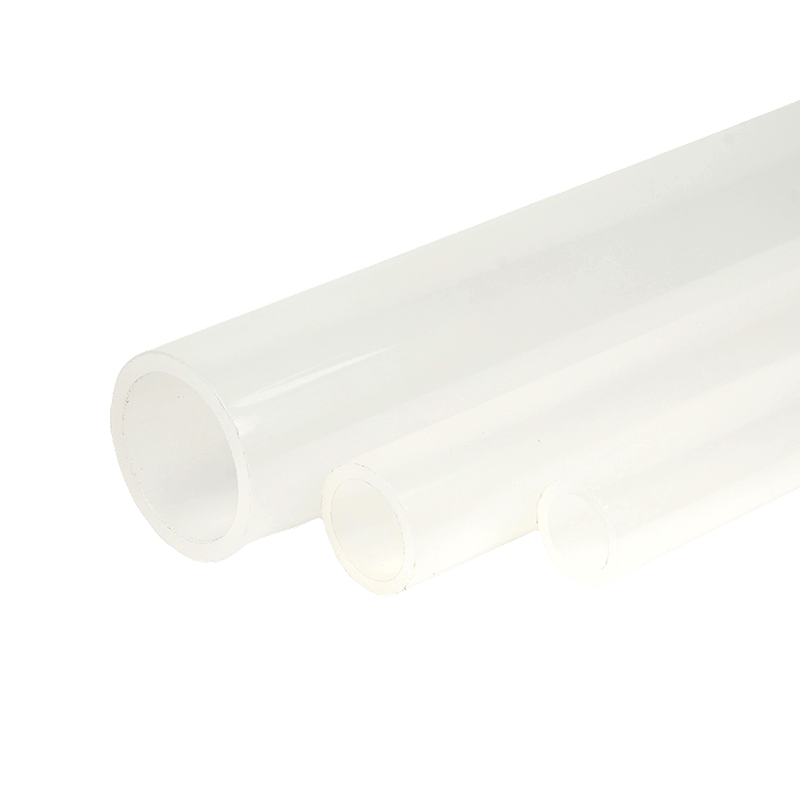
Produktspezifikationen: DN65 (D75), DN80 (D90), DN100 (D110), DN100 (D125), D...
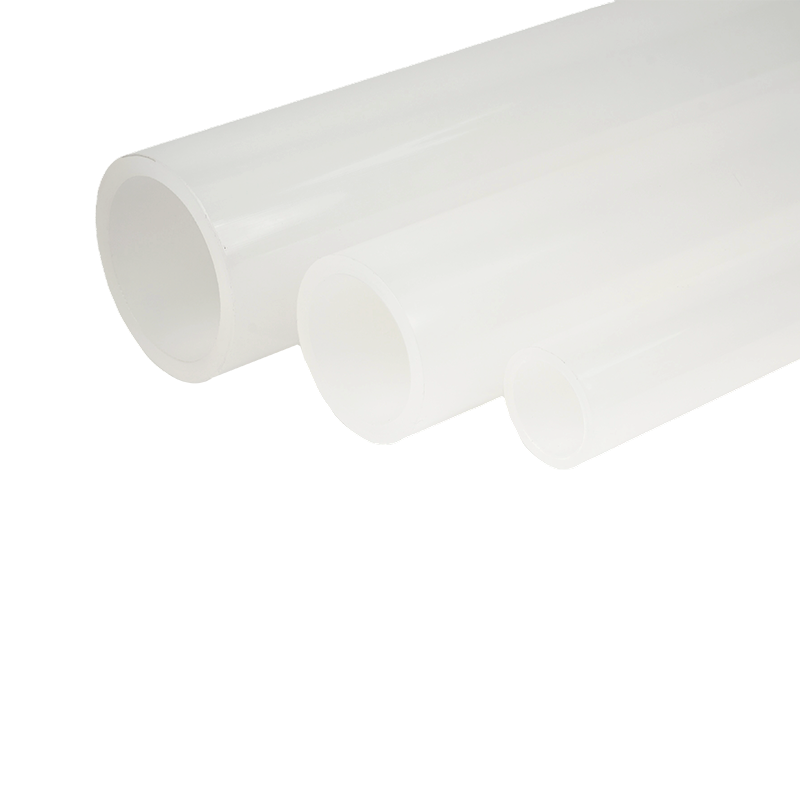
Produktspezifikationen: DN15 (D20), DN20 (D25), DN25 (D32), DN32 (D40), DN40 ...
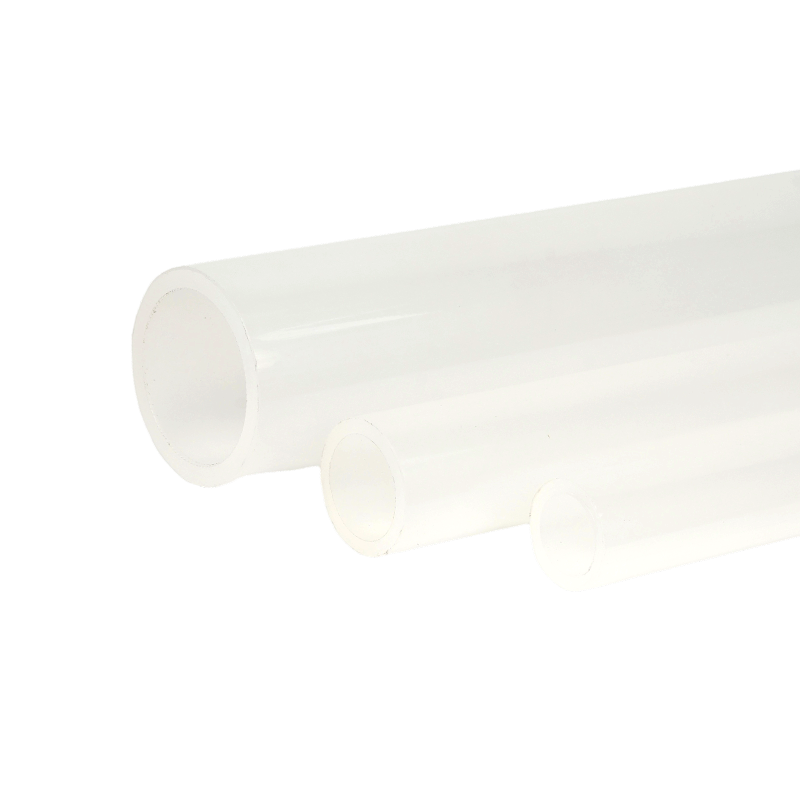
Produktspezifikationen: DN15 (D20), DN20 (D25), DN25 (D32), DN32 (D40), DN40 ...



Ein Stillstandsteam in einem Chemiewerk hatte vor dem Neustart nur noch eine Aufgabe zu erledigen: Ersetzen einer undichten Dichtung an einem Ventil zwölf Meter innerhalb einer vollständig verschweißten PPH-Leitung. Das Durchtrennen des Rohrs bedeutete eine neue Spule, eine neue Schweißnaht, eine Wartezeit zum Ab...
Mehr anzeigenBeim Kauf eines Kunststoff-Kugelhahns fragen Sie: „Verkaufen Sie ihn?“ So zahlen sich Projekte am Ende doppelt aus. Was tatsächlich darüber entscheidet, ob ein Kunststoffkugelhahn fünf Jahre lang leise läuft oder im ersten Jahr ausfällt, ist das Gehäusematerial, das Dichtungselastomer und die Art und Weise, wie d...
Mehr anzeigenZwei Monteure, eine 2er-Spule aus PVDF-Rohr und eine Kiste mit DN 50-Flanschadaptern. Alles kommt pünktlich an und nichts passt: Das Rohr hat einen Außendurchmesser von 60,3 mm, während der Adapter für einen Außendurchmesser von 50 mm gefertigt ist. Keine der beiden Bezeichnungen ist falsch. Die Teile gehören ein...
Mehr anzeigen
Produktspezifikationen: DN65 (D75), DN80 (D90), DN100 (D110), DN100 (D125), D...
Mehr anzeigen
Produktspezifikationen: DN15 (D20), DN20 (D25), DN25 (D32), DN32 (D40), DN40 ...
Mehr anzeigen
Produktspezifikationen: DN15 (D20), DN20 (D25), DN25 (D32), DN32 (D40), DN40 ...
Mehr anzeigen
Produktspezifikationen: DN15 (D20), DN20 (D25), DN25 (D32), DN32 (D40), DN40 ...
Mehr anzeigen
Produktspezifikationen: DN15 (D20), DN20 (D25), DN25 (D32), DN32 (D40), DN40 ...
Mehr anzeigenWhat are PVDF Pipes?
1.Material Properties: PVDF (polyvinylidene fluoride) is a high-performance fluoroplastic with excellent corrosion resistance, high-temperature resistance (up to 150°C), and good mechanical strength, enabling long-term stable operation in harsh chemical and semiconductor environments.
2.Applications: Due to its excellent chemical inertness, PVDF pipes are widely used in piping systems in industries such as solar photovoltaic, semiconductors, chemicals, iron smelting, environmental protection, biochemistry, aquaculture, and pharmaceutical manufacturing.
3.Advantages Comparison: Compared to traditional PVC, PE, or metal pipes, PVDF pipes perform better in acid and alkali resistance, salt spray resistance, and UV resistance, and are less prone to aging, resulting in a longer service life.
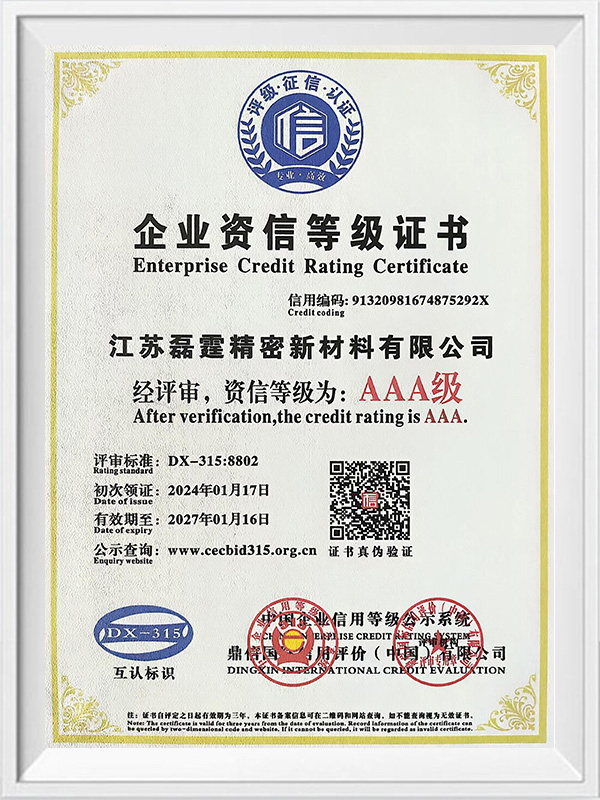
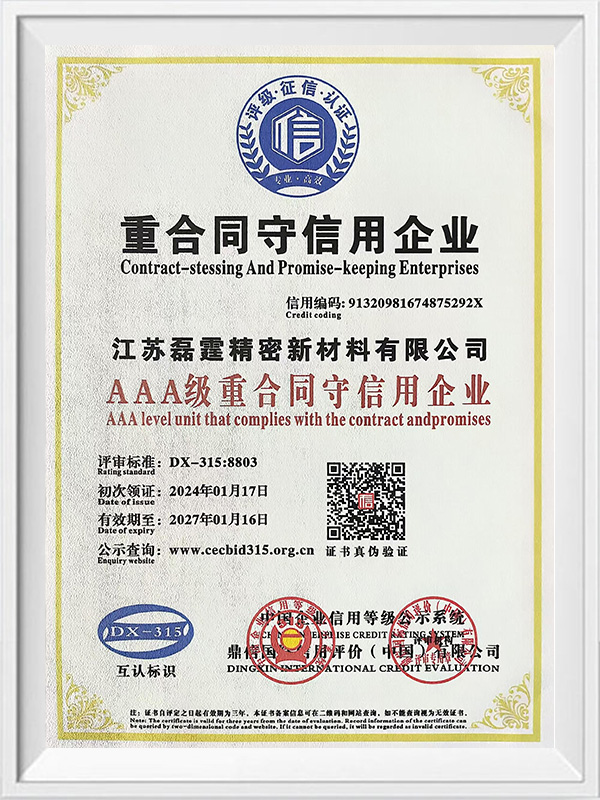
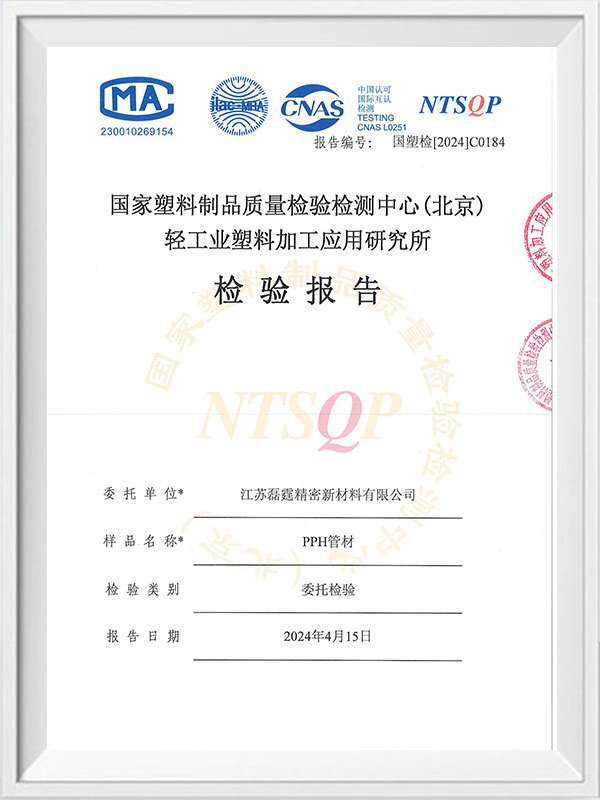
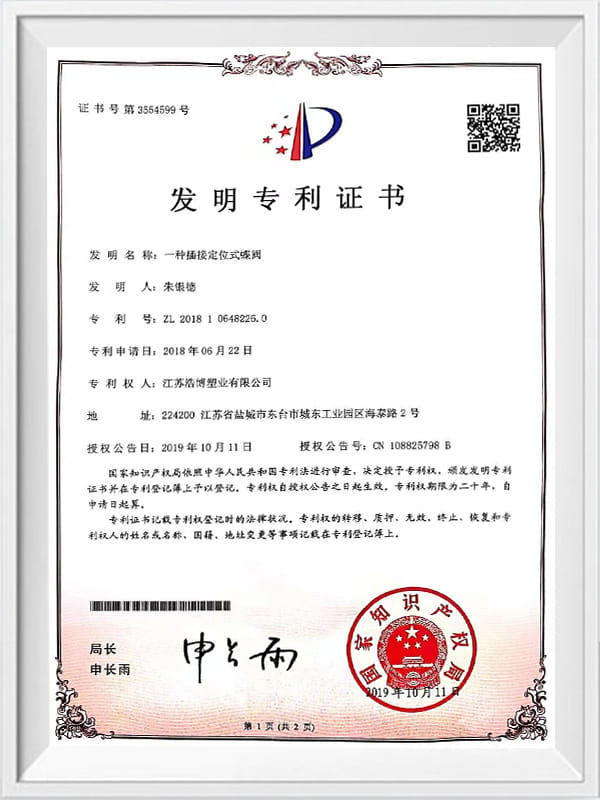
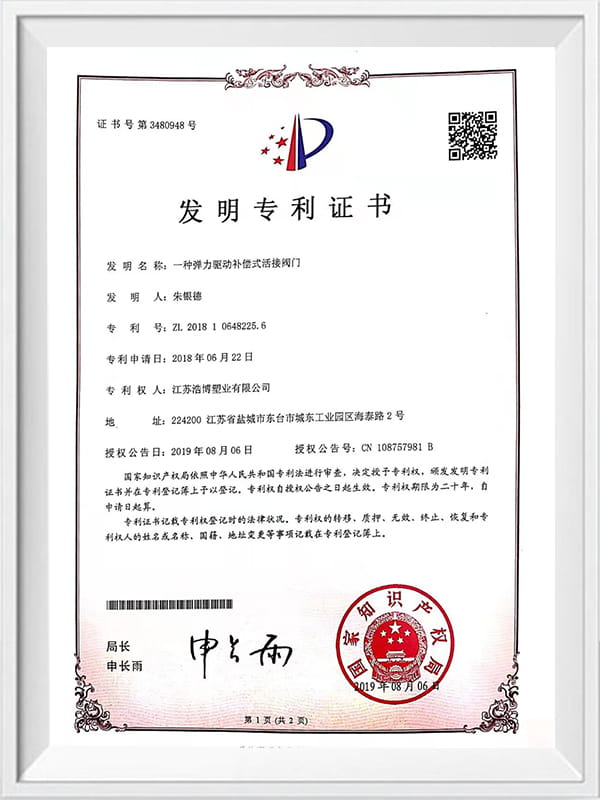
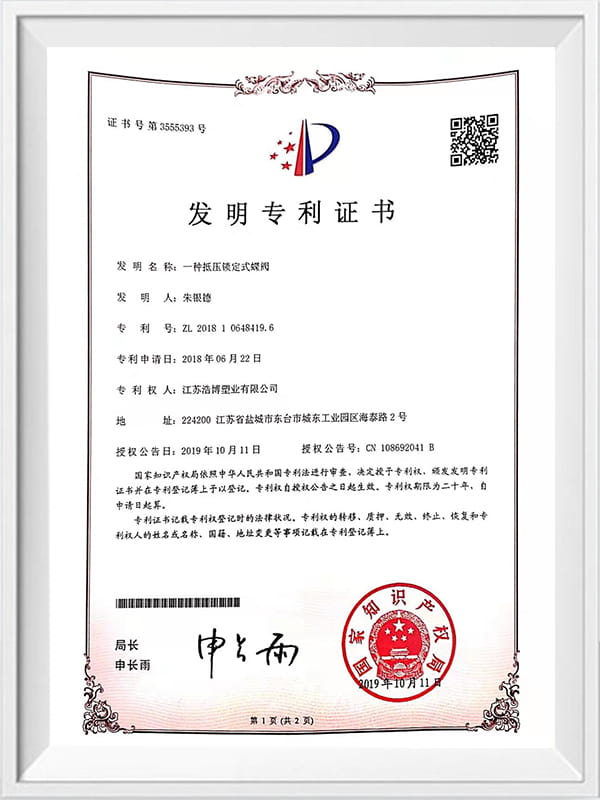
4.Company Strength: Jiangsu Leiting Precision New Materials Co., Ltd., as a leading PVDF pipe OEM supplier in China, continuously drives material innovation with 81 patents (including 36 invention patents), providing customers with high-quality pipe solutions.
How to select the appropriate PVDF pipe wall thickness and pressure rating based on media type and operating temperature?
1. Determine the Chemical Properties of the Medium
PVDF exhibits excellent resistance to most corrosive media, including acids, alkalis, salts, aromatics, and halogens. When selecting a PVDF pipe, first confirm whether the medium falls within its chemical resistance range.
2. Select the Temperature Rating Based on Operating Temperature
The standard operating temperature range for PVDF pipes is -40℃ to +150℃, within which the material properties remain relatively stable. If the temperature approaches the upper limit, it is recommended to select a higher pressure rating (such as PN1.6) to provide additional safety margin.
3. Match the Nominal Pressure (PN) with the Wall Thickness
Common pressure ratings on the market are PN1.0MPa and PN1.6MPa. The corresponding wall thickness increases with pipe diameter, with typical references as follows (taken from industry standards):
DN20~DN50: Wall thickness approximately 3mm (PN1.0) or 3.5mm (PN1.6)
DN65~DN100: Wall thickness approximately 4mm (PN1.0) or 4.5mm (PN1.6)
DN125~DN150: Wall thickness approximately 6mm (PN1.0) or 6.5mm (PN1.6)
Specific wall thicknesses can be found in the manufacturer's technical manual or the pressure-wall thickness correspondence table in the "PVDF Pipe Specification Standard".
4. Selection based on comprehensive consideration of medium, temperature, and pressure
For example, when conveying concentrated sulfuric acid (highly corrosive) at an operating temperature of 120℃, it is recommended to select a DN65 pipe with PN1.6MPa and a wall thickness ≥4.5mm to ensure sufficient strength and corrosion resistance under high temperature and pressure.
Produkte
Unternehmensinformationen
Adresse: Nr. 55 Haichuan Road, High-Tech-Zone, Stadt Dongtai, Provinz Jiangsu, China
Mobil: +86 137 7009 5258
Tel.: +86-515-85479999
E-Mail: [email protected]
Wir freuen uns auf Ihre Meinung!