β--PPH-Einzelverbindungs-Rückschlagventil
Dieses Ventil zeichnet sich durch eine kompakte Bauweise, ein ästhetisch ansp...

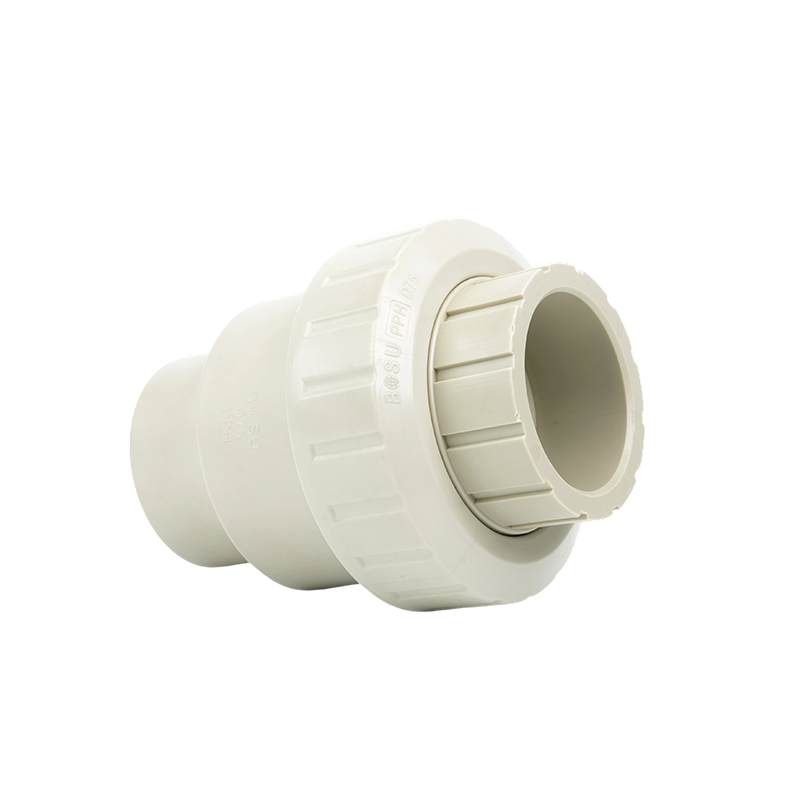
Dieses Ventil zeichnet sich durch eine kompakte Bauweise, ein ästhetisch ansp...
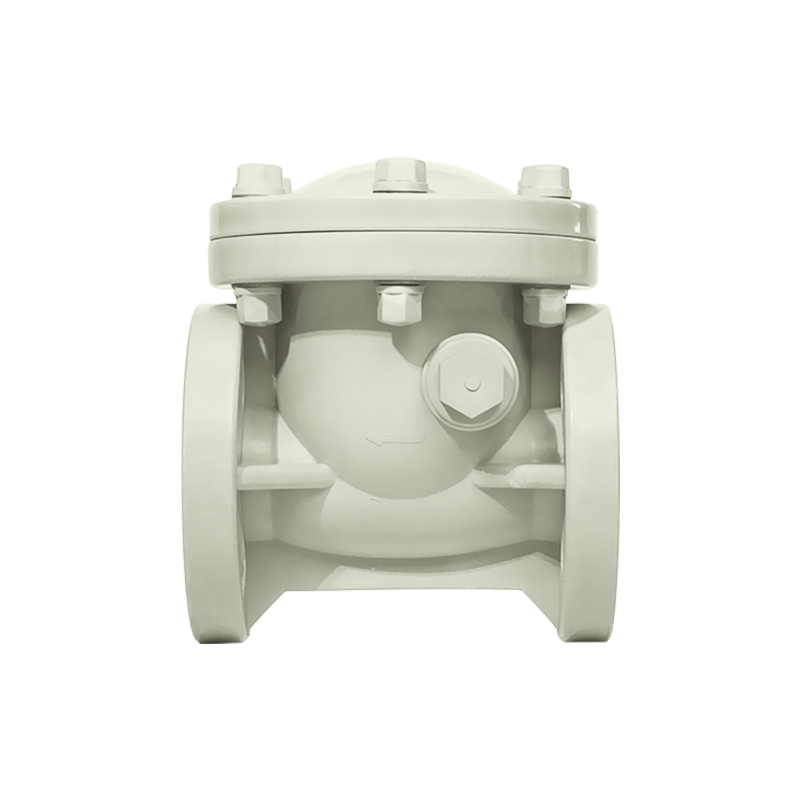
Produktmerkmale: Der Druckabfall vom Einlass zum Auslass ist sehr gering. ...
Ein Stillstandsteam in einem Chemiewerk hatte vor dem Neustart nur noch eine Aufgabe zu erledigen: Ersetzen einer undichten Dichtung an einem Ventil zwölf Meter innerhalb einer vollständig verschweißten PPH-Leitung. Das Durchtrennen des Rohrs bedeutete eine neue Spule, eine neue Schweißnaht, eine Wartezeit zum Ab...
Mehr anzeigenBeim Kauf eines Kunststoff-Kugelhahns fragen Sie: „Verkaufen Sie ihn?“ So zahlen sich Projekte am Ende doppelt aus. Was tatsächlich darüber entscheidet, ob ein Kunststoffkugelhahn fünf Jahre lang leise läuft oder im ersten Jahr ausfällt, ist das Gehäusematerial, das Dichtungselastomer und die Art und Weise, wie d...
Mehr anzeigenZwei Monteure, eine 2er-Spule aus PVDF-Rohr und eine Kiste mit DN 50-Flanschadaptern. Alles kommt pünktlich an und nichts passt: Das Rohr hat einen Außendurchmesser von 60,3 mm, während der Adapter für einen Außendurchmesser von 50 mm gefertigt ist. Keine der beiden Bezeichnungen ist falsch. Die Teile gehören ein...
Mehr anzeigen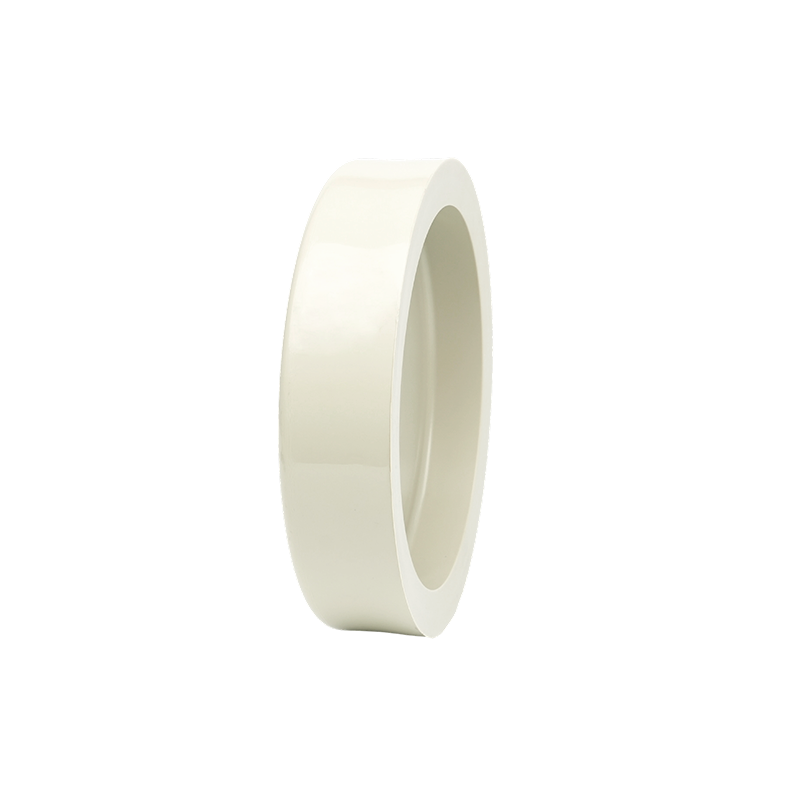
1. Zusätzlich zu seiner grundlegenden Verschlussfunktion kann die Rohrkappe a...
Mehr anzeigen
Produktmerkmale: Der Druckabfall vom Einlass zum Auslass ist sehr gering. ...
Mehr anzeigen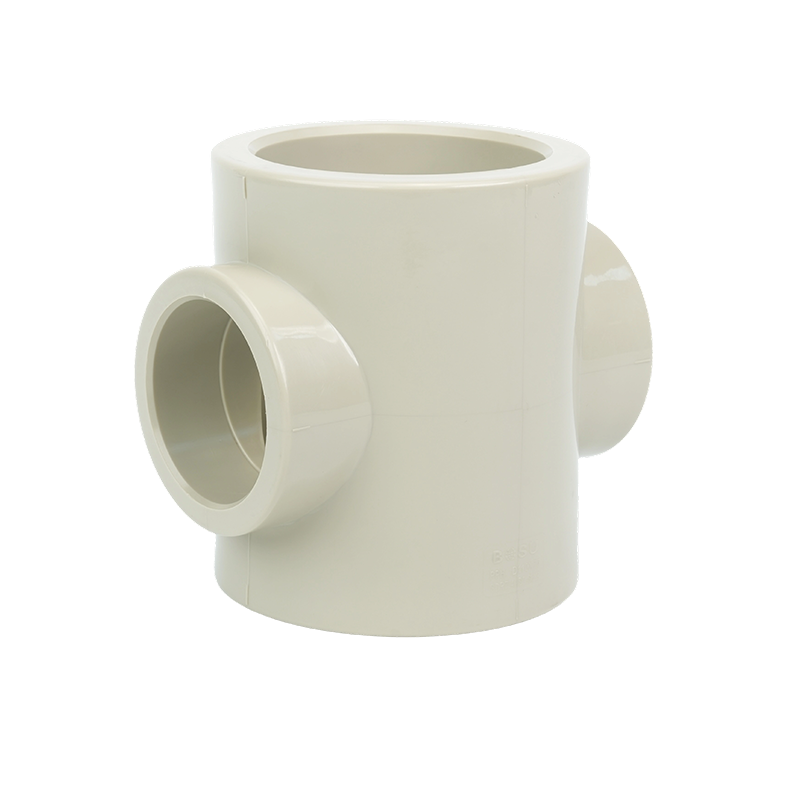
1. Zum Verbinden von vier Rohren unterschiedlichen Durchmessers, die sich ...
Mehr anzeigen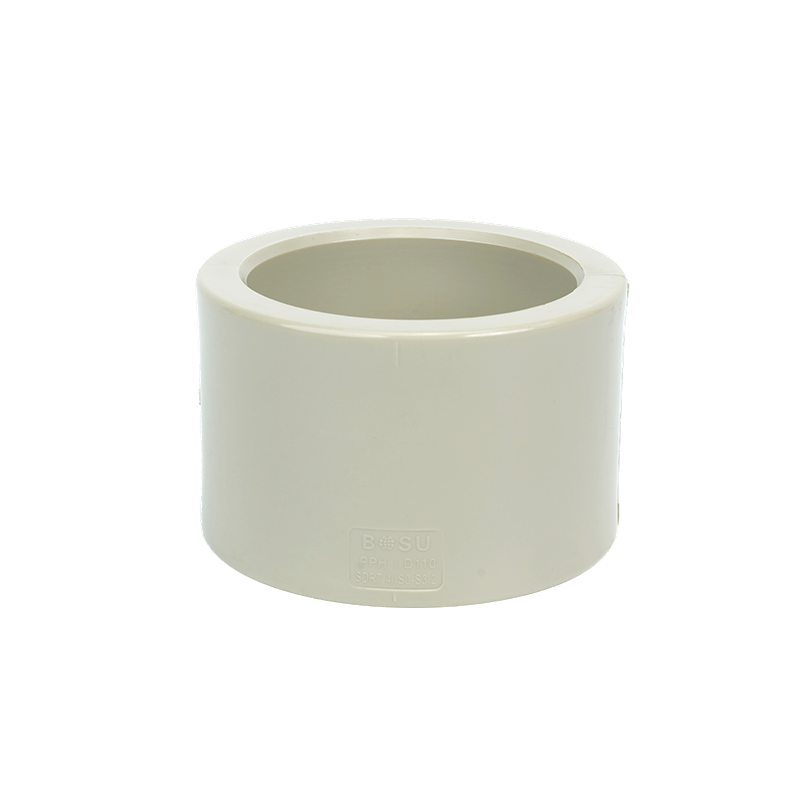
Wird in Rohrleitungssystemen verwendet, die glatte Endverbindungen erfordern....
Mehr anzeigen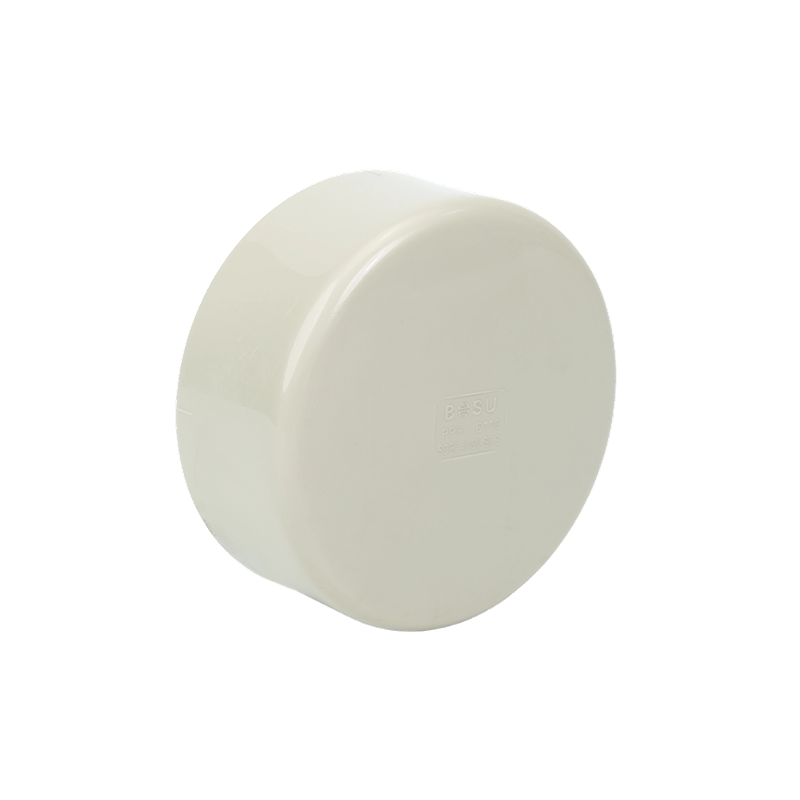
1. Langlebig, korrosionsbeständig, leicht, zum Abdichten von Rohrleitungen. G...
Mehr anzeigen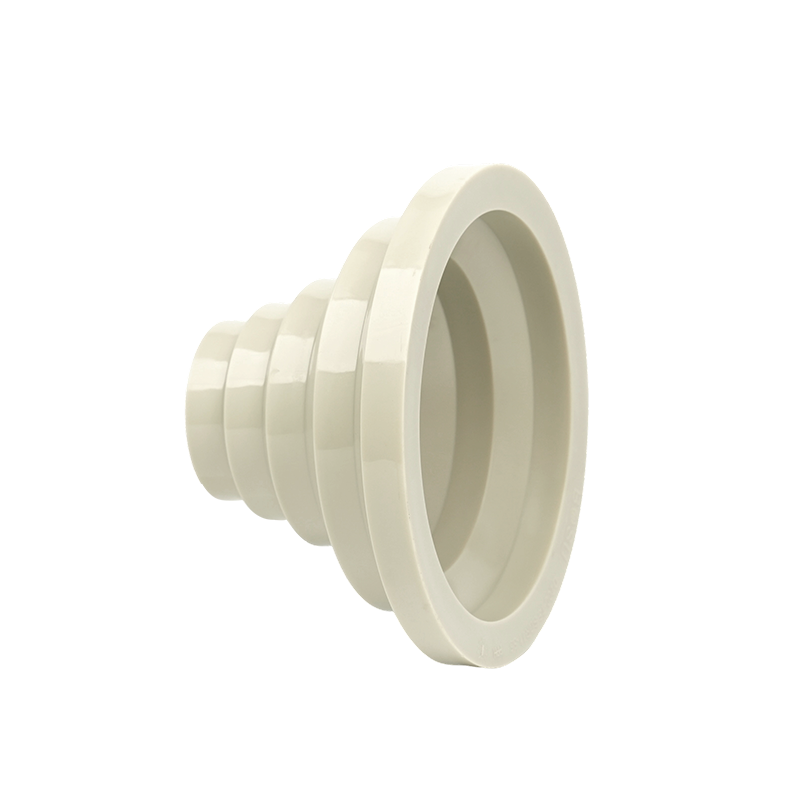
1. Der β-PPH-Stachelkopf ist eine Art konzentrisches Reduzierstück, das sich ...
Mehr anzeigenWhat are some typical case studies of β-PPH check valves in actual projects?
1. Solar Photovoltaic Systems
Check valves made of β-PPH material allow for unidirectional flow in photovoltaic branch pipelines, preventing backflow and subsequent back pressure damage to the photovoltaic inverters.
The valve body is lightweight and corrosion-resistant, suitable for the high-temperature and ultraviolet environments of photovoltaic arrays.
Typical Project: Several distributed photovoltaic power stations in Jiangsu Province have adopted β-PPH check valves for reliable pipeline protection.
2. Semiconductor Manufacturing Processes
Semiconductor production lines have extremely high requirements for fluid purity and pressure control. The chemical resistance of β-PPH check valves effectively prevents backflow of acidic and alkaline media.
The valve body uses a metal flange connection, ensuring reliable sealing and meeting the high-pressure requirements of cleanrooms.
Typical Case Study: The cleaning fluid circulation system of a large domestic semiconductor plant uses β-PPH check valves, significantly reducing the leakage rate.
3. Chemical and Pharmaceutical Piping
In the transportation systems of chemical and pharmaceutical industries, β-PPH check valves can resist the erosion of strong acids, alkalis, and corrosive media, ensuring pipeline safety.
Its homopolymer polypropylene β-modified structure provides excellent temperature and pressure resistance.
Typical Project: β-PPH check valves supplied by Jiangsu Runhe Company for PPH pipeline systems have been put into use in several chemical enterprises.
4. Environmental Protection and Wastewater Treatment
β-PPH check valves prevent backflow in the return pipelines of wastewater treatment plants, protecting pump station equipment.
Due to the material's resistance to aging and low maintenance costs, they are suitable for environmental protection facilities operating for extended periods.
What sealing materials are typically used for β-PPH check valves?
1. Polytetrafluoroethylene (PTFE)
PTFE possesses an extremely low coefficient of friction and excellent chemical inertness, making it a commonly used sealing material for β-PPH check valve seats. It can maintain sealing performance in high-temperature (≈177℃) and strong acid/alkali environments.
2. Fluoropolymer Series (FEP, PFA, PCTFE)
In aerospace and high-end chemical fields, some valves use fluoropolymers to improve corrosion resistance and high-pressure resistance.
3. Metal elastomers (such as fluororubber FKM) For applications requiring higher elasticity, FKM offers better resilience and oil resistance.
Produkte
Unternehmensinformationen
Adresse: Nr. 55 Haichuan Road, High-Tech-Zone, Stadt Dongtai, Provinz Jiangsu, China
Mobil: +86 137 7009 5258
Tel.: +86-515-85479999
E-Mail: [email protected]
Wir freuen uns auf Ihre Meinung!
